
Group Therapy
Skills Groups
Group therapies at Intention Psychology are grounded in evidence-based principles and offer real solutions through learning and practice. Think of it as a class where you learn life skills, and the group leaders are coaches.
Group Co-Leaders
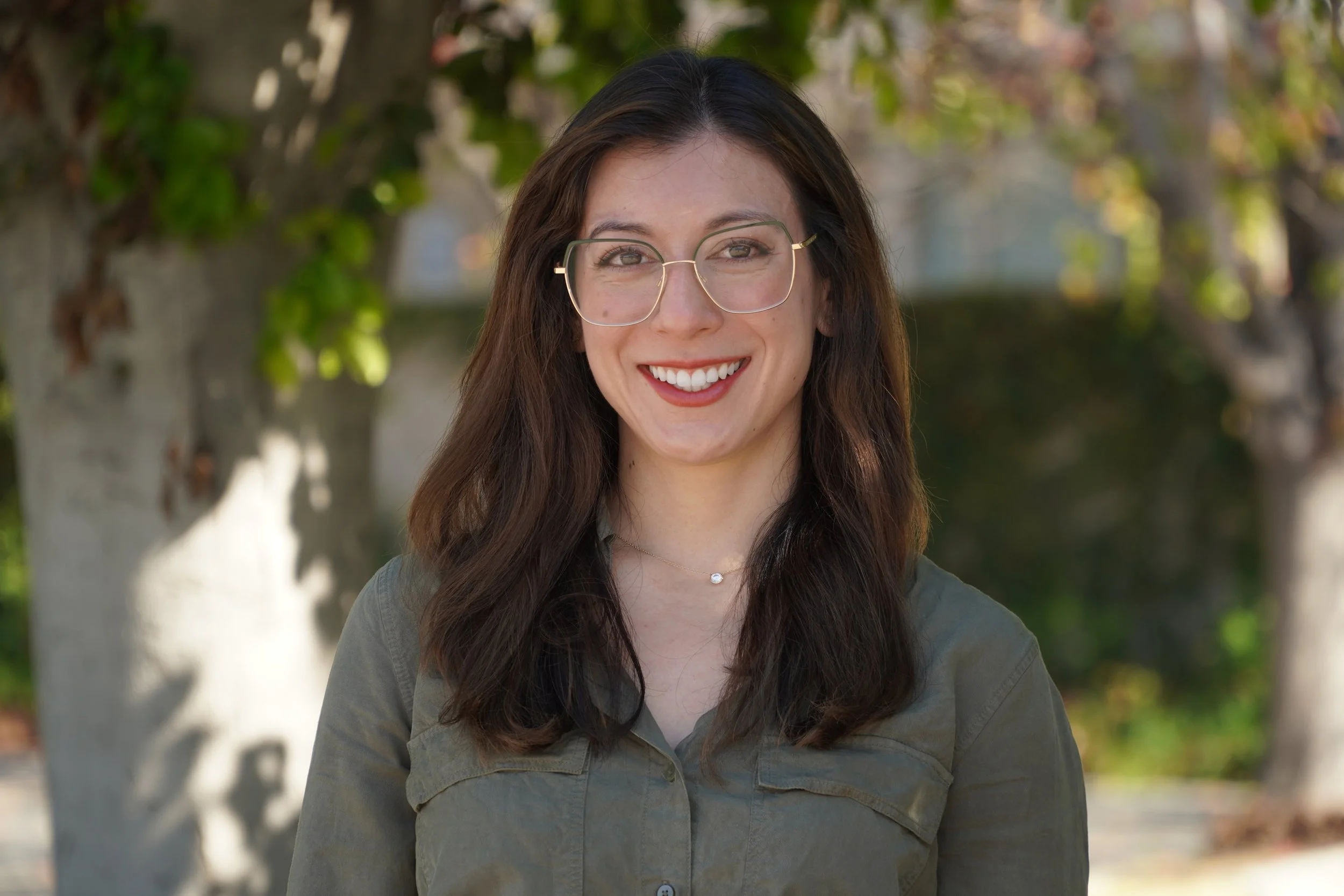
Elise Yoshida
Dr. Elise Yoshida (she/her) is a licensed clinical psychologist specializing in ADHD, anxiety, trauma, and emotion dysregulation in teens and adults.
She is certified in CBT by the Academy of Cognitive Therapy and received intensive DBT training during her postdoctoral residency at Harbor-UCLA Medical Center's Adult Outpatient CBT/DBT Program, where she honed a culturally-responsive, evidence-based approach tailored to each client's identities, histories, and needs.
She earned her doctoral degree from the PAU-Stanford PsyD Consortium and is currently licensed in California and Hawaii.
Andie Murray
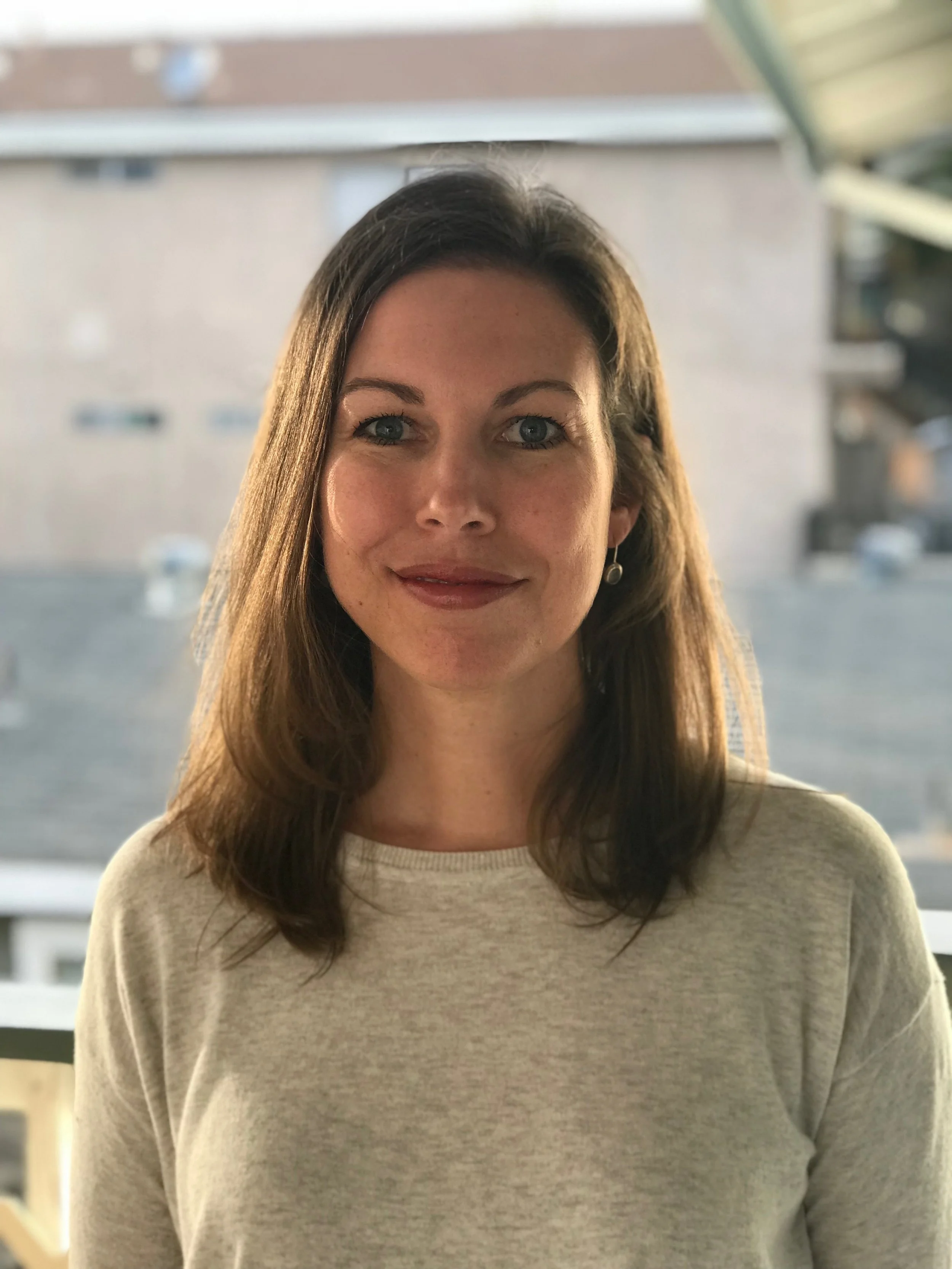
Andrea Murray, PhD (she/her), is a licensed clinical psychologist specializing in borderline personality disorder, eating disorders, and OCD. She has a particular passion for working with queer communities and brings a culturally-responsive lens to all of her clinical work. With intensive training in DBT, CBT, ACT, and other evidence-based approaches, Dr. Murray tailors treatment to each client's unique identities, history, and goals.
Dr. Murray is currently licensed in California. She received her doctoral degree in clinical psychology from SUNY Albany and completed her postdoctoral fellowship at Harbor-UCLA Medical Center's Adult CBT/DBT Program, where she deepened her expertise in evidence-based care. She believes that real, lasting change happens when people have the right skills — and the right support to use them.
Andie and Elise met during their postdoctoral fellowships at Harbor-UCLA Medical Center. Together they bring serious clinical depth, zero pretension, and enough energy to make a skills group the part of your week you actually look forward to!
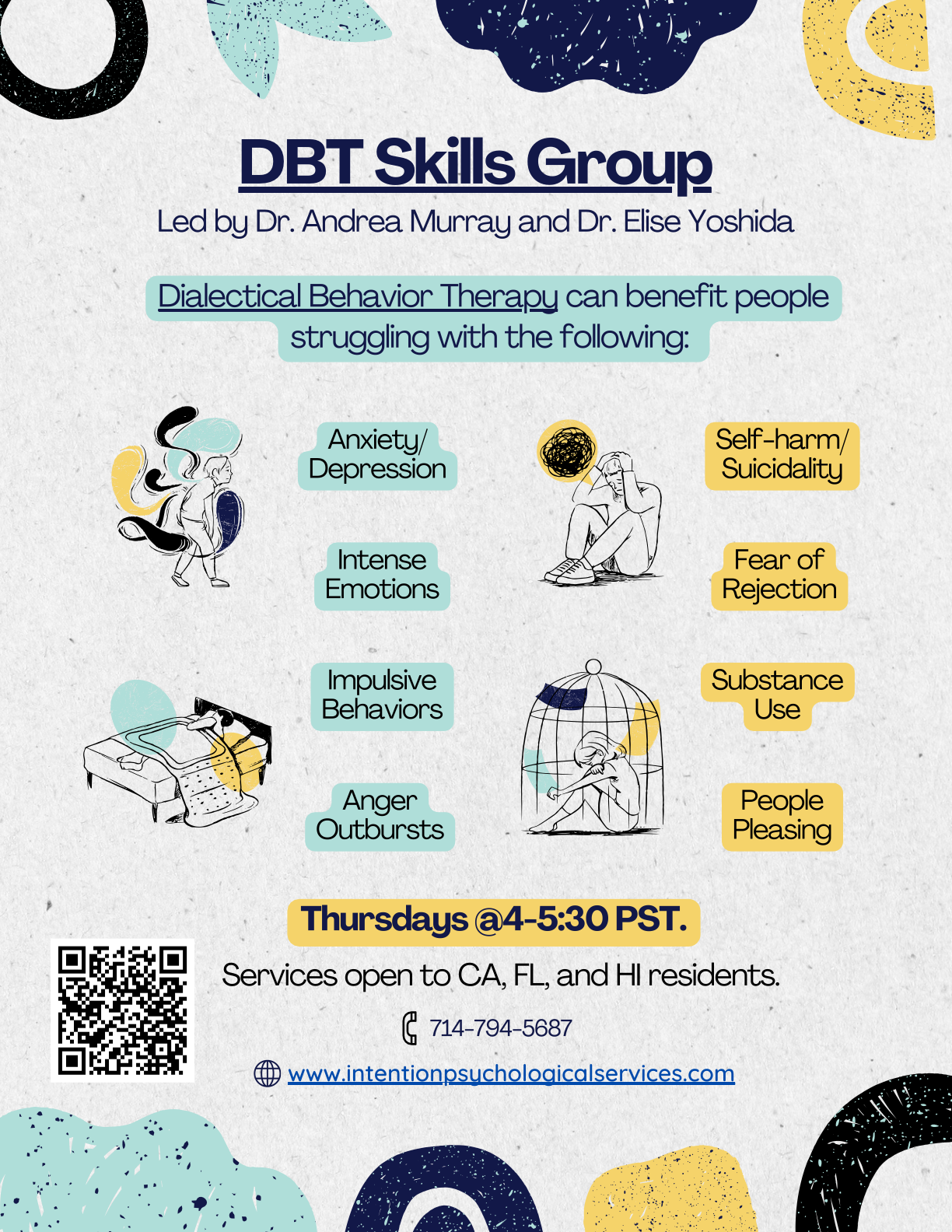
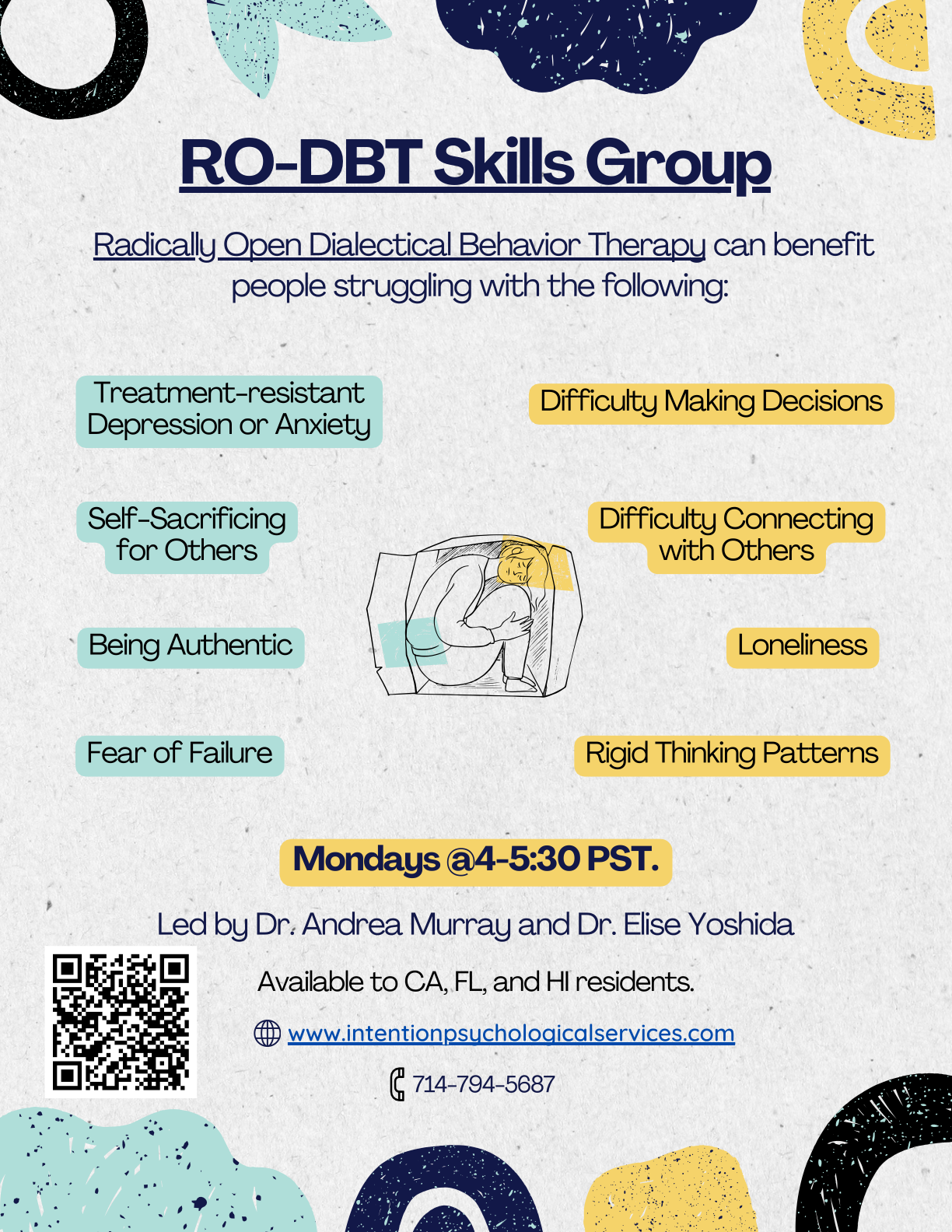
Current Groups

Take the Next Step
We offer structured, evidence-based treatment, practical tools you can use in daily life to supports lasting progress, not vague reassurance or quick fixes.